The Importance of Substation Infrastructure in Renewable Energy Projects
Renewable energy generation is only one part of the energy equation. Efficient power transmission and distribution infrastructure are equally essential for reliable electricity delivery. Substations play a vital role in stepping up or stepping down voltage levels to ensure safe and stable power flow.
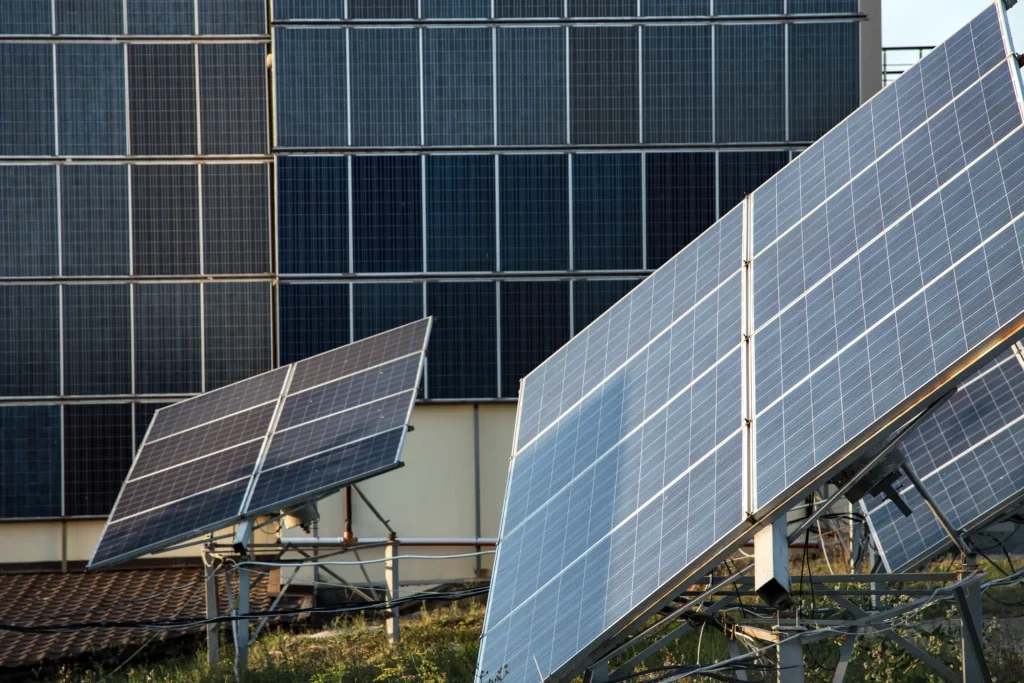
In solar power projects, substations connect generation facilities to the grid. Without properly engineered transformers, switchgear systems, and protection equipment, even the most advanced solar plant cannot operate efficiently. Voltage regulation, fault protection, and load balancing are critical components of substation design.
High-voltage (HT) and low-voltage (LT) switchgear systems provide operational control and safeguard electrical equipment from overload or short-circuit conditions. Power factor correction systems improve efficiency and reduce energy losses, ensuring optimized performance across industrial facilities.
As Bangladesh expands its renewable energy capacity, upgrading substation infrastructure becomes increasingly important. Modern substations must be designed to handle fluctuating renewable generation while maintaining grid stability.
Comprehensive EPC expertise in both solar generation and electrical infrastructure ensures seamless integration between power plants and distribution networks. A well-designed substation enhances plant reliability, protects investment value, and ensures long-term operational success.