The Future of Utility-Scale Solar Power in Bangladesh
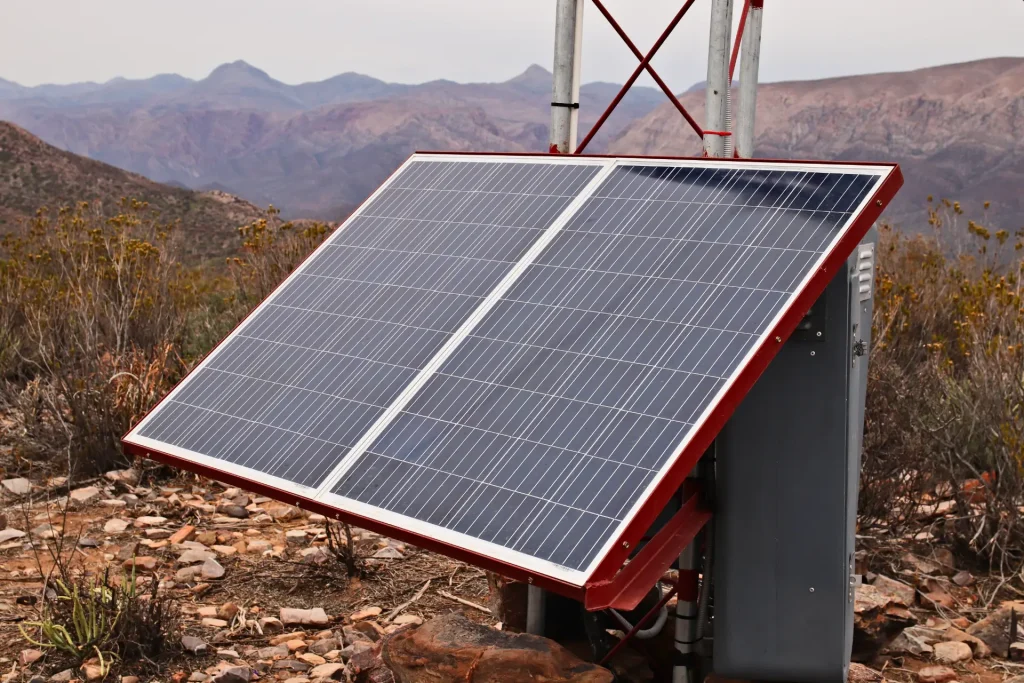
Bangladesh is steadily moving toward renewable energy adoption as part of its long-term energy security and sustainability goals. With rising electricity demand and limited fossil fuel resources, utility-scale solar power plants are becoming a strategic solution for diversifying the national energy mix.
Large-scale solar parks ranging from 50MW to 200MW are transforming the power sector by delivering clean electricity at predictable costs. These projects reduce peak load pressure on conventional power plants and help stabilize long-term energy pricing. Moreover, solar parks require shorter development timelines compared to traditional thermal plants, making them an efficient infrastructure investment.
The success of utility-scale solar depends heavily on proper site assessment, grid connectivity planning, and high-quality engineering design. Land selection, evacuation capacity, and long-term performance modeling play critical roles in ensuring financial viability. EPC contractors must deliver bankable designs with performance guarantees and fixed completion timelines to satisfy investors and lenders.
As policy support strengthens and public-private partnerships expand, Bangladesh is well-positioned to scale up solar capacity. The integration of advanced monitoring systems and efficient inverters further improves plant output and operational reliability.
Utility-scale solar is not just an environmental initiative—it is an economic strategy that supports sustainable growth and national energy independence.