Grid-Tied vs Off-Grid Solar Systems: Choosing the Right Solution
Selecting the right solar system depends on location, load demand, and grid accessibility. Grid-tied and off-grid systems serve different purposes and are designed for distinct operational conditions.
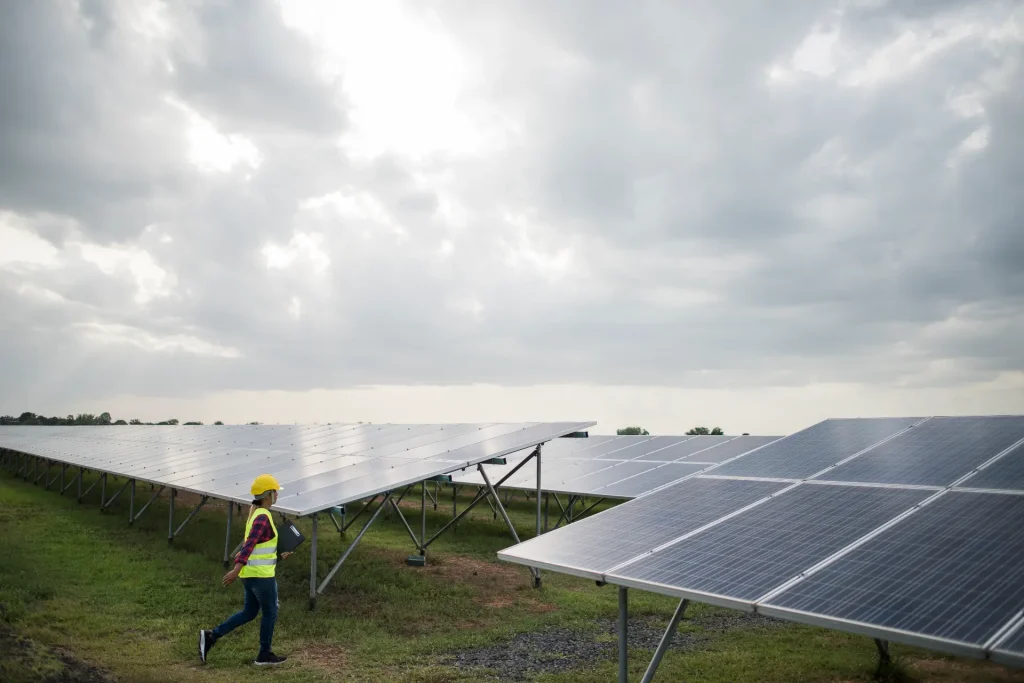
Grid-tied solar systems connect directly to the national electricity network. These systems generate electricity during daylight hours and feed surplus energy back into the grid when applicable. Since they do not rely on battery storage, installation and maintenance costs are generally lower. This makes them ideal for industrial and commercial facilities located in grid-accessible areas.
Off-grid systems, on the other hand, operate independently from the national grid. They use battery storage to provide electricity during nighttime or low-sunlight conditions. These systems are particularly valuable in remote or rural locations where grid infrastructure is unavailable or unreliable.
Hybrid systems combine solar generation with battery storage and, in some cases, wind or generator backup. This configuration ensures uninterrupted power supply in critical applications such as agricultural irrigation, research facilities, and disaster-prone regions.
A proper feasibility study, including load analysis and long-term energy demand forecasting, is essential before system selection. Engineering design must ensure that generation capacity and storage levels align with operational requirements to guarantee reliability and cost efficiency.
Choosing the right system is not only a technical decision but also a financial one, requiring careful evaluation of lifecycle costs and return on investment.